EGAP 31 in Review: Duke University, May 2026
Author: Clara Bradley
In May of this year, 60 EGAP members and associated researchers gathered at Duke University in Durham, North Carolina for our first EGAP meeting of 2026. Edmund Malesky hosted the meeting at the Duke Center for International Development (DCID), based at the Sanford School of Public Policy. The meeting included a focus on climate governance research.
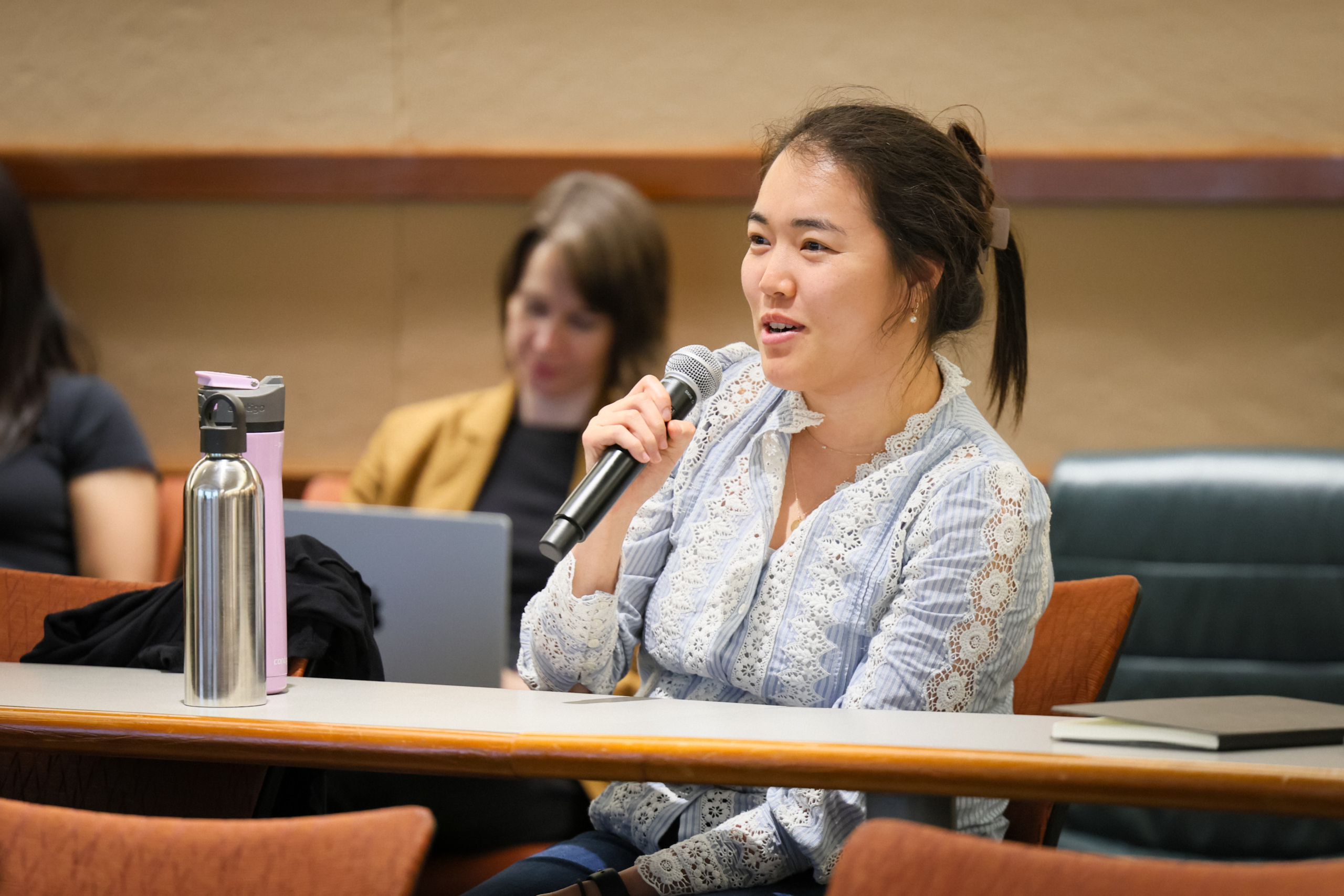
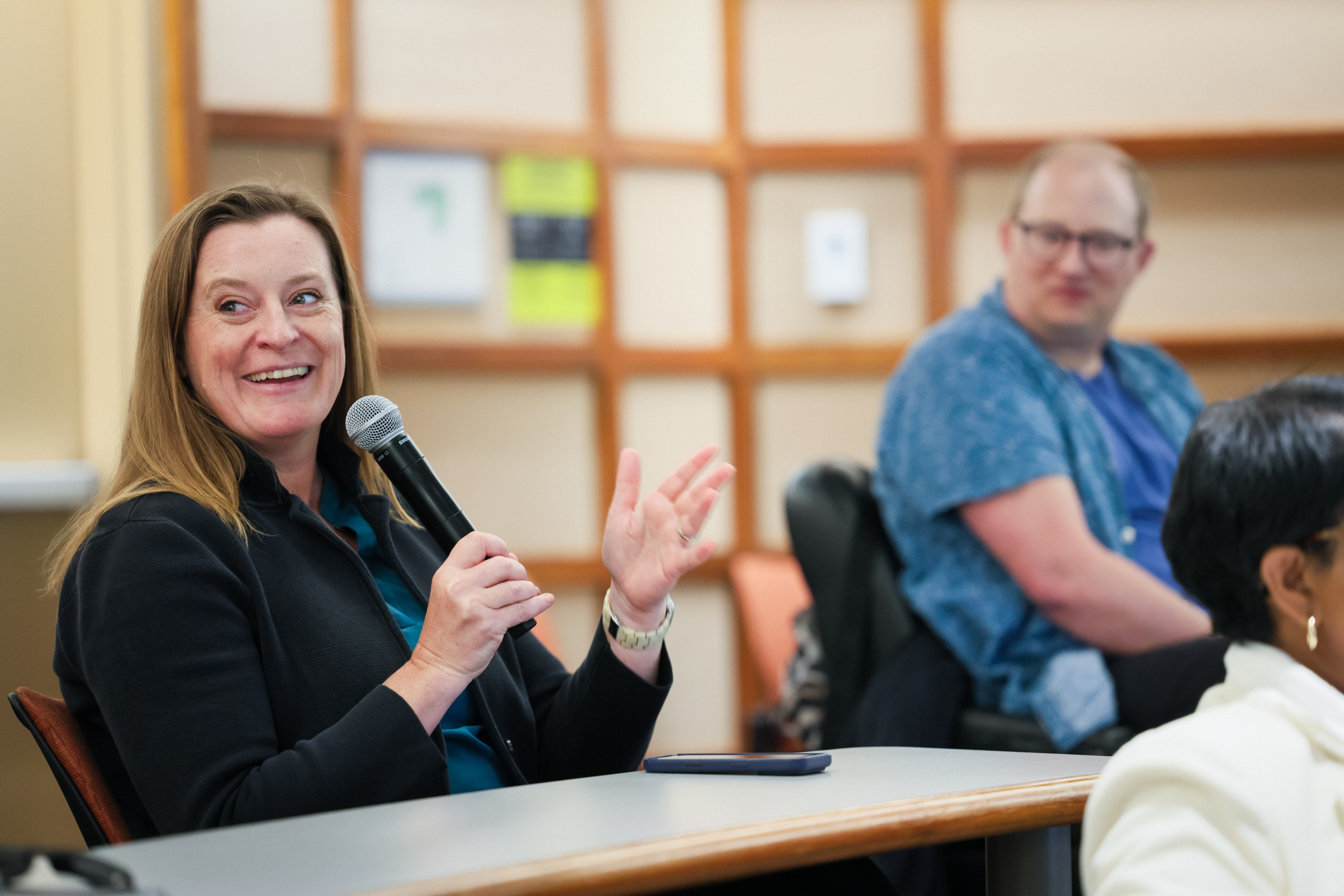
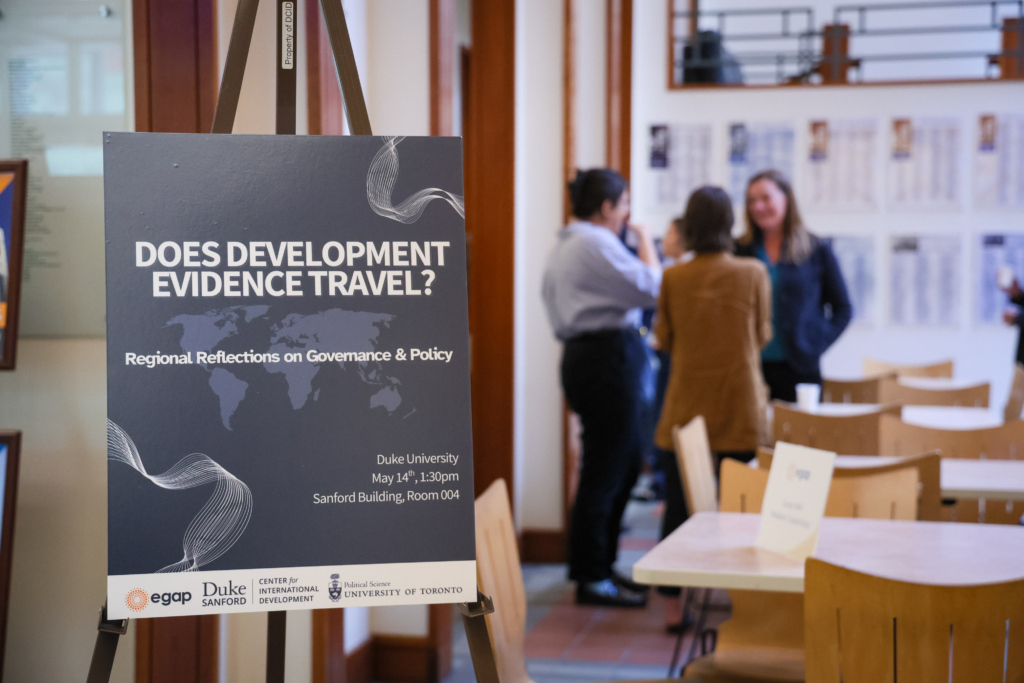
To kick things off, we gathered three expert panels for a dynamic conversation around a critical but complex question: “does development evidence travel?” The afternoon was structured to facilitate a big picture dialogue on cross-regional development challenges and lessons as well as the role for EGAP-style interventions in this evolving landscape. The afternoon’s panelists sunk their teeth into three big questions: mapping the major development challenges likely to shape the next decade, region by region; taking stock of what EGAP-style interventions have taught us, and critically assessing which lessons travel across contexts and which do not; and finally, reflecting on the changing development landscape, particularly with respect to financing, sustainability, and the role of external actors. We are grateful to all panelists and discussants for lending your time and insight to the event.
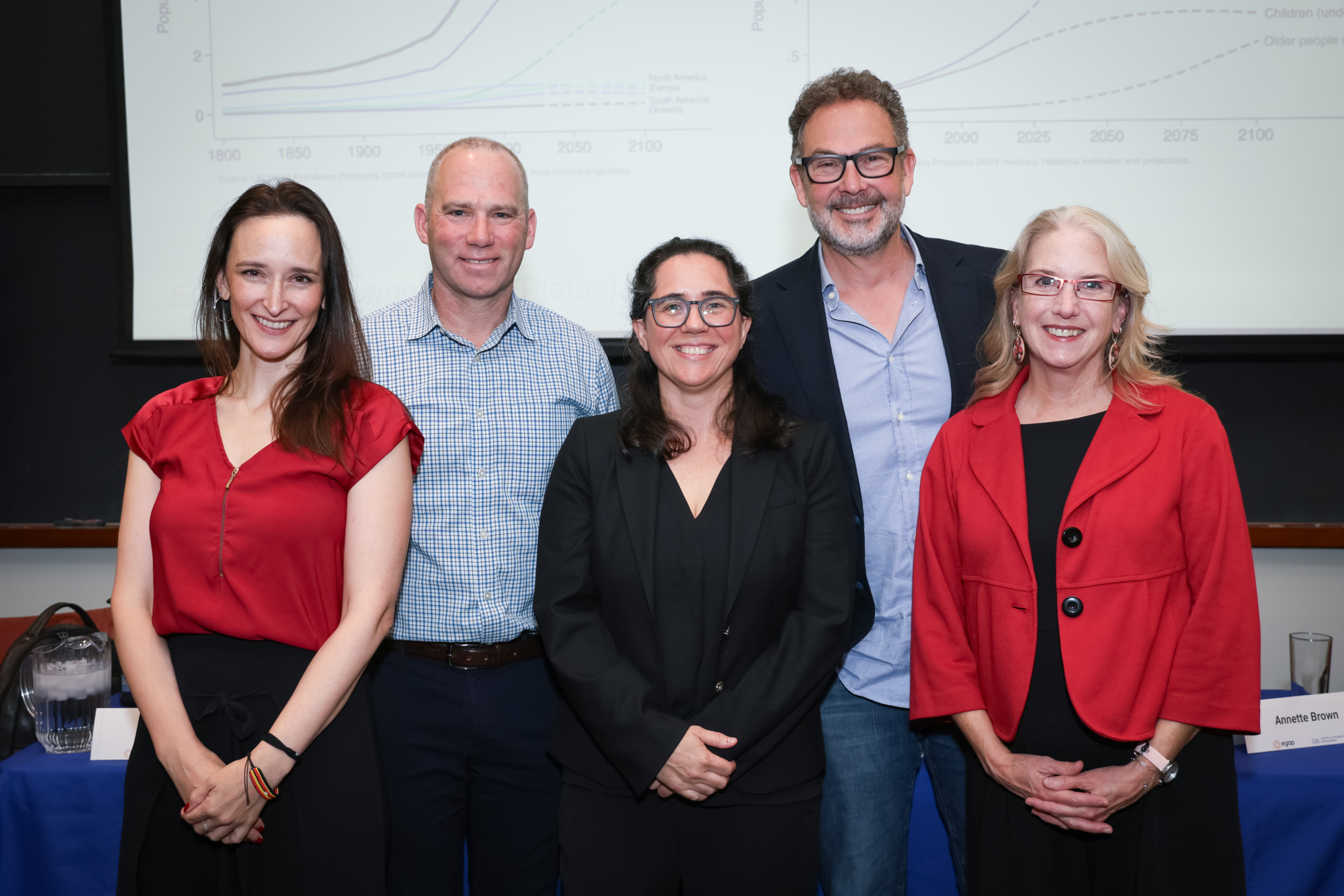
Photographer: HuthPhoto
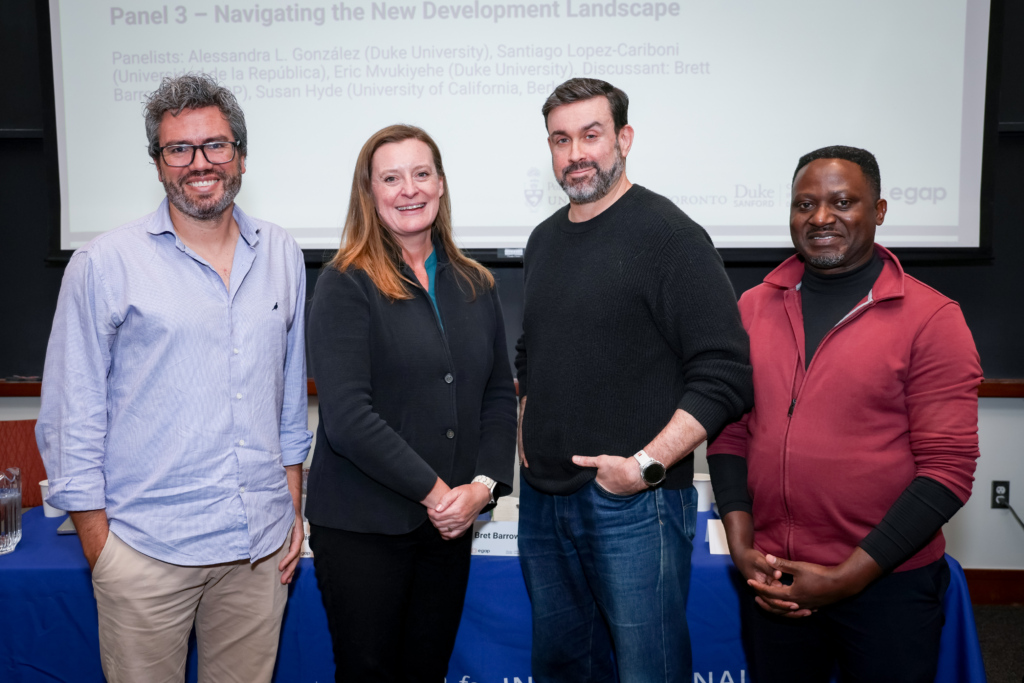
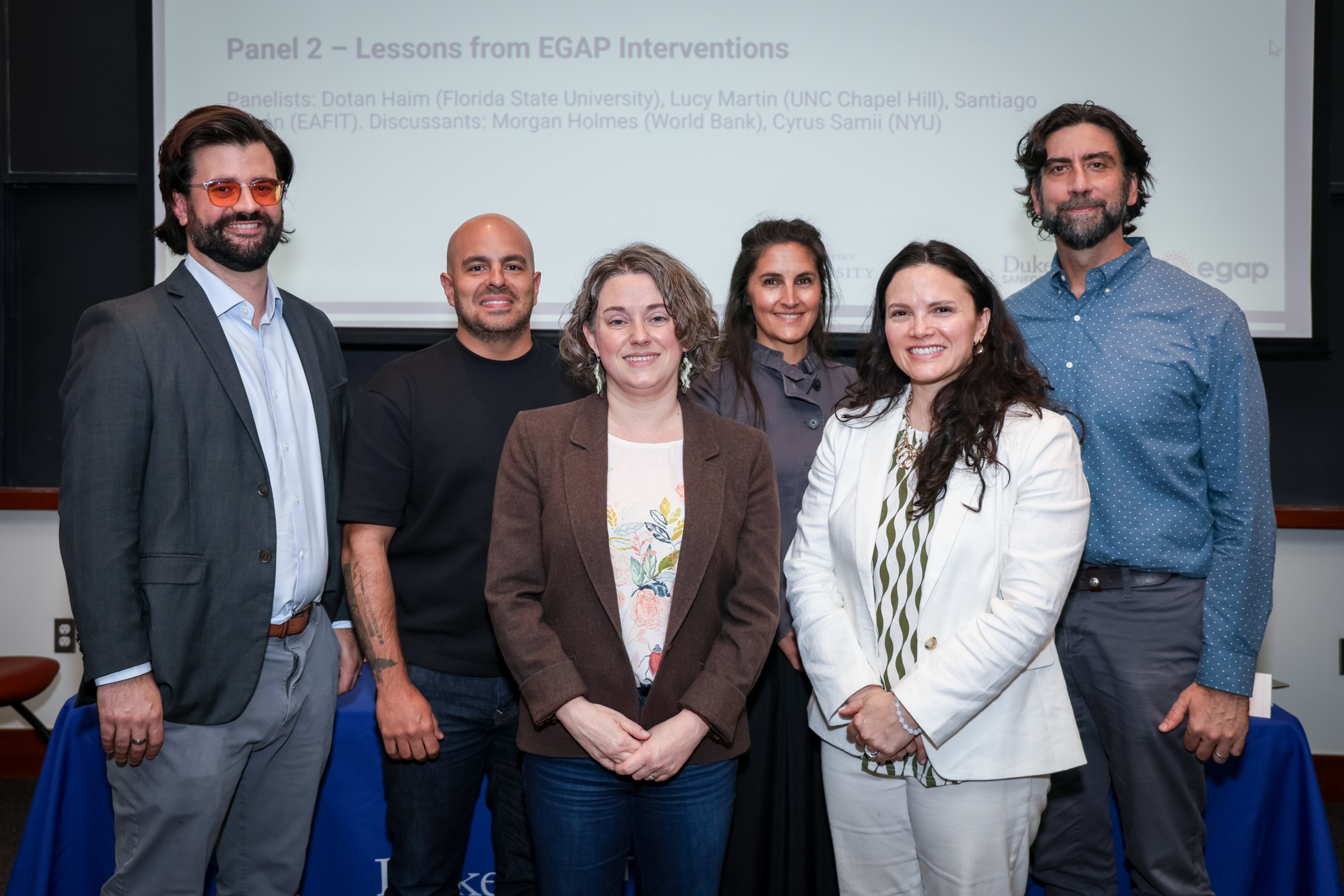
As is customary at EGAP meetings, attendees were expected to read and formulate feedback in advance on a number of diverse and exciting research projects. Over two days, attendees discussed 12 different projects from 14 EGAP members and their collaborators. Half of the meeting participants took part in a dedicated focus group on climate governance work. Featured papers included an evaluation of a forest conservation program in Sierra Leone and an investigation of the conditions under which democratic accountability can lead politicians to reduce environmental harm, in the context of crop-residue burning in northern India. As always, the feedback sessions were a key highlight for everyone who took part. In the words of one attendee, “this was a fabulous and generous group of scholars who brought much energy to the conversations.”
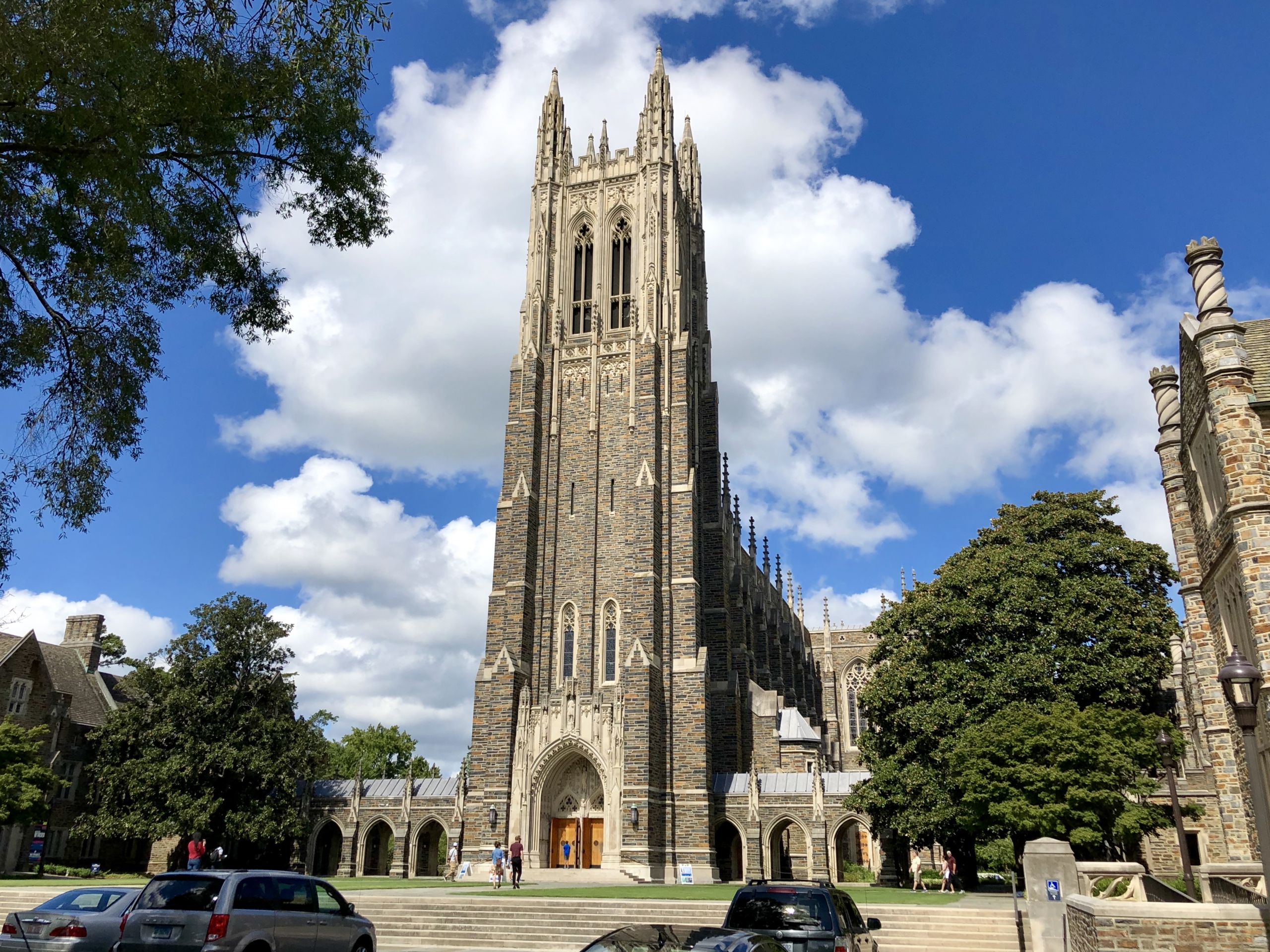
Other highlights included a plenary session sharing results and lessons from the Metaketa study of Women’s Political Participation led by Metaketa V Steering Committee members, Alexander Coppock (Northwestern University), Susan Hyde (University of California Berkeley) and meeting host Edmund Malesky (Duke University), as well as extensive networking opportunities and a visit to the beautiful Sarah P. Dukes Gardens and Duke Chapel.
Thank you to the team at Duke for the warm welcome in Durham and to everyone who joined us to provide constructive comments to peers, exchange research ideas, and forge new connections. We look forward to the next meeting!